 簡體中文
簡體中文 English
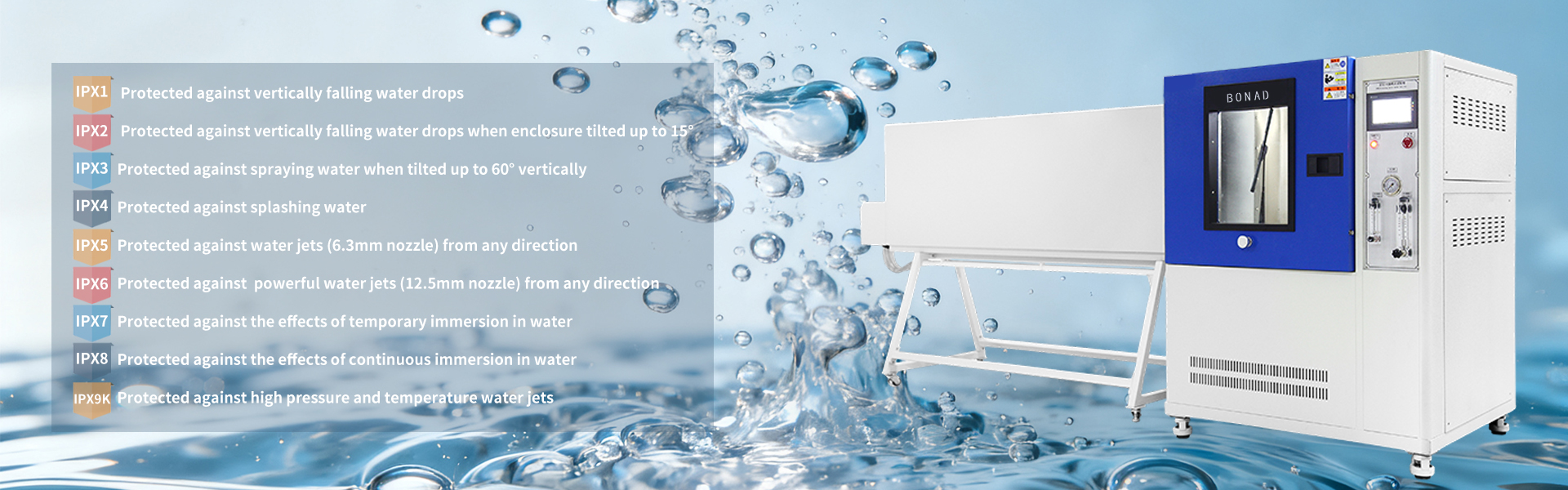
Understanding the IPX Rating System
When it comes to safeguarding your electronic devices, comprehending the IPX (Ingress Protection) rating system is essential. Both IPX7 and IPX8 ratings provide distinct protective features that can guide you in making an informed decision. Let's explore the differences and similarities between these two ratings to determine which one is best suited for your specific requirements.
The Fundamentals of IPX Ratings
An IPX rating consists of two digits, each representing a different type of protection. The first digit indicates the enclosure’s resistance to solid objects, ranging from dust particles to larger items. This scale runs from 1 to 6, with 1 offering minimal protection and 6 being completely dust-tight.
The second digit signifies the enclosure’s resistance to water ingress, with a scale from 0 to 8. A rating of 0 means no water protection, while a rating of 8 indicates that the enclosure can withstand prolonged submersion in water.
Comparing IPX7 and IPX8 Enclosures
For instance, an IPX7 enclosure offers less water protection compared to an IPX8-rated enclosure. This makes it easier to select enclosures that meet specific environmental challenges, ensuring that your equipment remains protected.
Common Features of IPX7 and IPX8 Enclosures
Both IPX7 and IPX8 enclosures are excellent choices for safeguarding electronic devices in various applications. Here are some common features:
Complete Dust Protection: Both ratings ensure that the enclosed device remains free from dust and particulates, making them ideal for industrial settings or outdoor environments.
Protection Against Contact: These enclosures offer protection against accidental contact by workers or small objects, maintaining the integrity of the device.
Water Resistance: Both ratings protect against dripping, spraying, and splashing water, making them suitable for environments where moisture exposure is common.
Resistance to Pressurized Water Jets: These enclosures can withstand pressurized water jets, ensuring that devices remain operational even in challenging conditions.
Submersion Protection: Both ratings can withstand submersion in up to 1 meter of water for up to 30 minutes.
Key Differences Between IPX7 and IPX8 Enclosures
The primary difference lies in the submersion depth and duration:
IPX7: Rated for submersion at a depth of 1 meter for up to 30 minutes.
IPX8: Rated for submersion at least 1 meter deep for up to 30 minutes, with additional depth and duration specified by the manufacturer.
While both ratings offer excellent protection against water ingress, the IPX8 rating provides more flexibility by allowing manufacturers to specify extended submersion depths and durations beyond the baseline.
Conclusion
Choosing between IPX7 and IPX8 enclosures depends on your specific needs. If you require basic protection against dust and water ingress, an IPX7 enclosure will suffice. However, if your application demands more rigorous protection against prolonged or deeper submersion in water, an IPX8 enclosure is the better choice.
By understanding these ratings, you can make an informed decision that ensures your equipment remains protected in any environment.


